DM Burnout: 7 Small Fixes & Gifts That Keep a Campaign Alive
Updated October 2026 · 4 min read
Running a long-term tabletop campaign is immensely rewarding, but DM burnout can quietly stall even the best gaming groups. Supporting your Dungeon Master doesn't require rewriting the whole story; small shifts in prep habits, shared table responsibilities, and genuine player appreciation make all the difference. Here are practical ways to take the pressure off your DM and keep your table energized for the next adventure.
Prep less with quick bullet prompts
Cut down on session prep by relying on adaptable bullet points instead of scripts.
Over-prepping is one of the fastest routes to exhaustion behind the screen. Instead of drafting every conversation and outcome, focus on three flexible NPC motivations, two potential locations, and a single inciting incident. Leaving intentional blanks allows you to react naturally to whatever wild choices your party makes.
- ✦Write three secrets or clues that can appear anywhere rather than in fixed spots.
- ✦List names and two-word personality traits for quick improvisational NPCs.
- ✦Prep scenarios and goals rather than rigid, step-by-step storylines.
Shift focus to player-driven scenes
Let the party carry narrative weight during campfire and downtime moments.
You do not need to entertain the table every single second of the session. Introduce quiet downtime beats—like setting up camp or a quiet carriage ride—and invite two characters to have a private conversation. Stepping back for ten minutes gives you time to review your notes while players deepen their roleplay.
- ✦Ask a specific character what memory crosses their mind during a long rest.
- ✦Prompt two party members to resolve an unresolved in-character argument.
- ✦Use downtime shopping trips to let players describe what quirky items they seek.
Hand off session recaps to players
Let the adventuring party summarize the story so far at the start of game night.
Starting every session by delivering a dramatic monologue puts unnecessary performance pressure on the DM. Handing the opening recap to the table instantly engages the players and tells you exactly which plot points they remembered and cared about. You can always chime in with a quick correction or forgotten clue.
- ✦Award inspiration or a minor reroll token to whoever gives the opening recap.
- ✦Rotate recap duties each week so everyone shares the storytelling duty.
- ✦Listen to player recaps to discover which minor plot hooks actually hooked them.
Invite players to describe world details
Share the worldbuilding load by asking players to paint the scene.
Worldbuilding feels less daunting when it is a collaborative conversation rather than a solo performance. When the party walks into an unfamiliar tavern, ask the bard to name the local specialty drink or let the ranger describe the wildlife nesting in the ruined tower. It builds group investment and lightens your mental load.
- ✦Ask players to describe what their critical hits and finishing blows look like.
- ✦Let the cleric detail the local customs and sigils of their deity's shrine.
- ✦Invite the wizard to explain the strange smell or sensory cue of their magic.
Take a break with board games
Keep your regular game night on the calendar without any prep pressure.
When life gets hectic, canceling sessions can lead to campaign drift, but forcing game prep can sour the hobby entirely. Keep the social ritual intact by swapping D&D for a cooperative board game, a one-page RPG run by someone else, or a movie night. Giving your DM a week completely off from prep preserves the campaign in the long run.
- ✦Keep the scheduled night sacred so the group routine remains unbroken.
- ✦Encourage a player to run a low-stakes, rules-light one-shot for an evening.
- ✦Order dinner and play casual tabletop party games to unwind together.
Show appreciation with thoughtful table gifts
Small tokens of gratitude remind your DM that their effort is valued.
Dungeon Masters invest hours of personal time outside of game night to craft worlds for their friends. Surprising them with their favorite session beverage, covering table snacks, or gifting a themed coffee mug shows that the party notices and appreciates their hard work. A well-caffeinated DM is a happy DM.
- ✦Pool party funds to chip in for pizza, snacks, or coffee runs every session.
- ✦Gift a playful ceramic mug suited for long planning nights and coffee brews.
- ✦Send a quick mid-week text thanking them for a specific moment from last session.


Declutter the screen with dedicated journals
Streamline game notes and reduce mental clutter behind the DM screen.
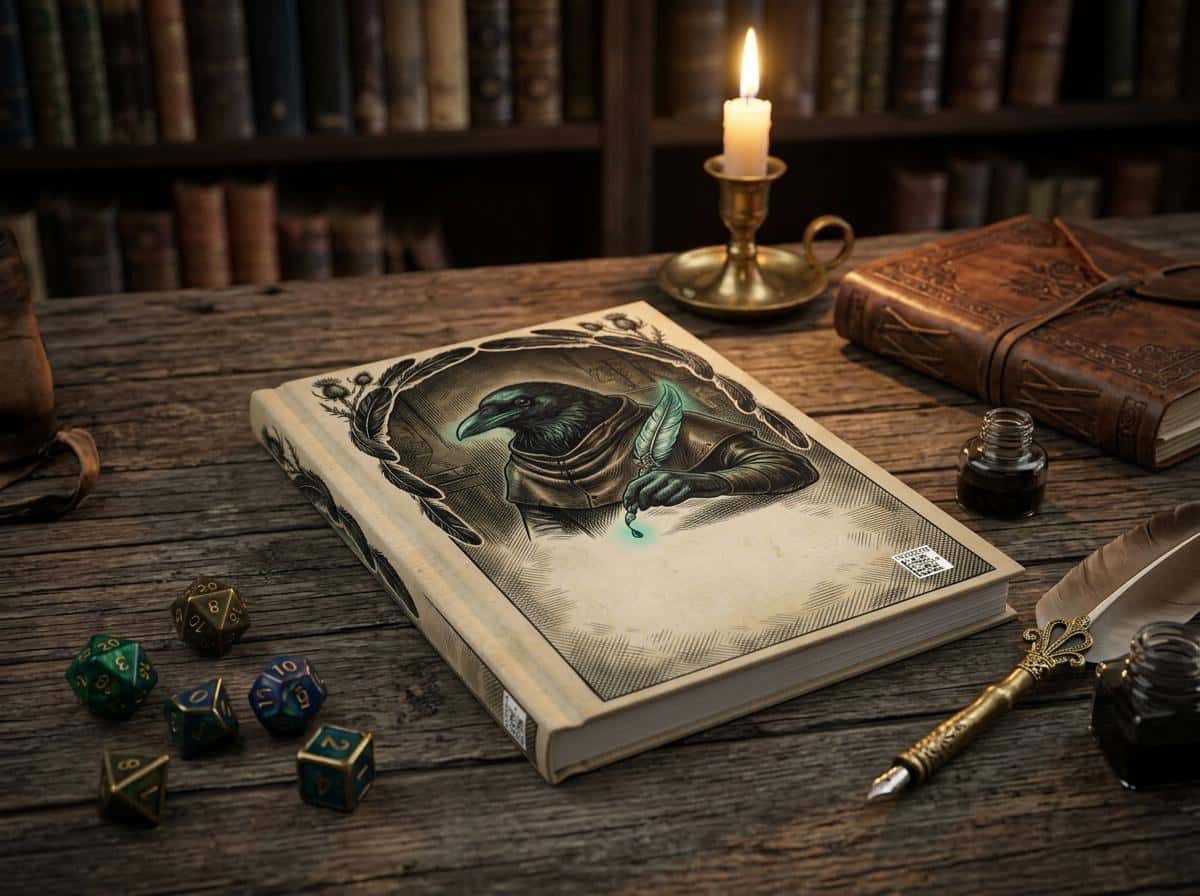
Digital tabs and scattered index cards can quickly turn the space behind the DM screen into sensory overload. Keeping a single dedicated campaign notebook for session logs, creature stats, and improvised town names keeps thoughts organized and off a glowing screen. A clean, dedicated station makes running encounters feel calm and tactile.
- ✦Dedicate one notebook purely to session logs and improvised NPC names.
- ✦Use tabbed sticky notes for fast reference to wandering monster tables.
- ✦Keep digital devices strictly for ambient audio to reduce table screen fatigue.