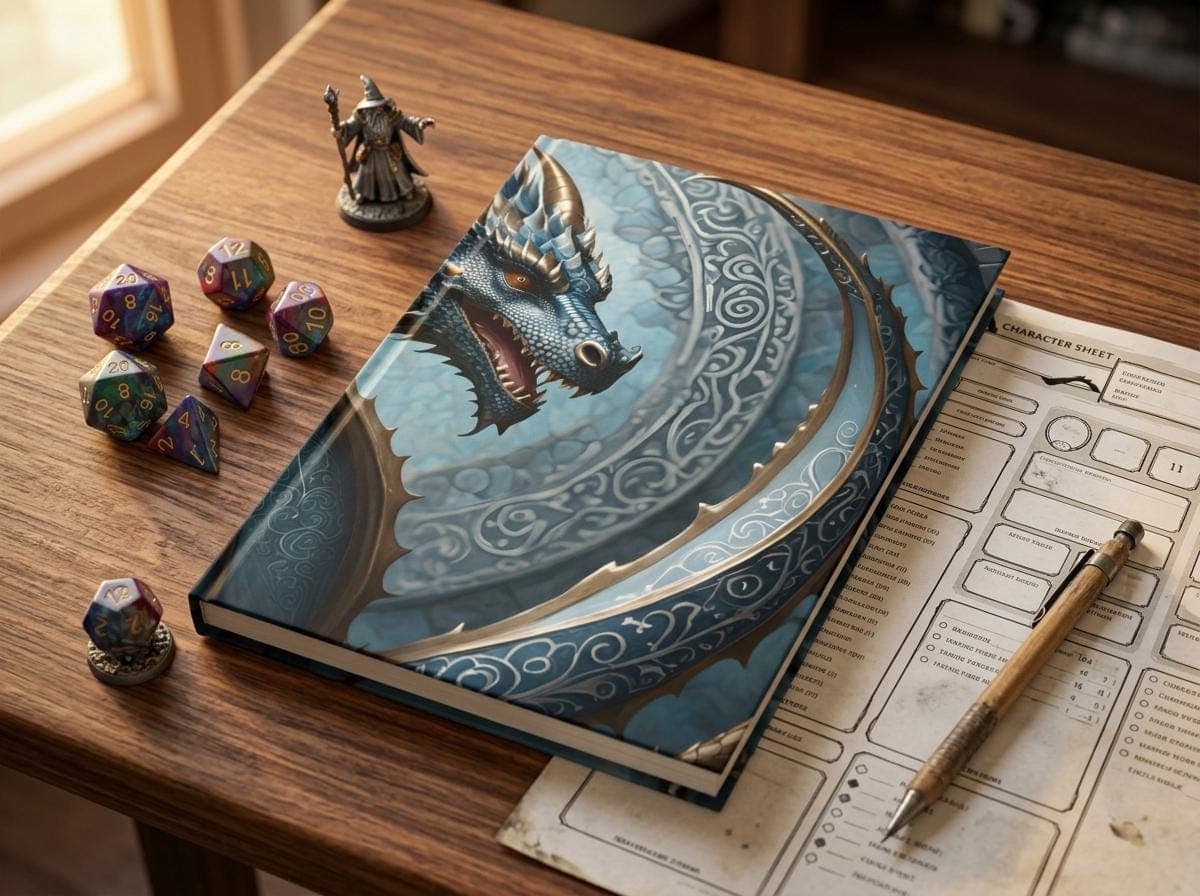
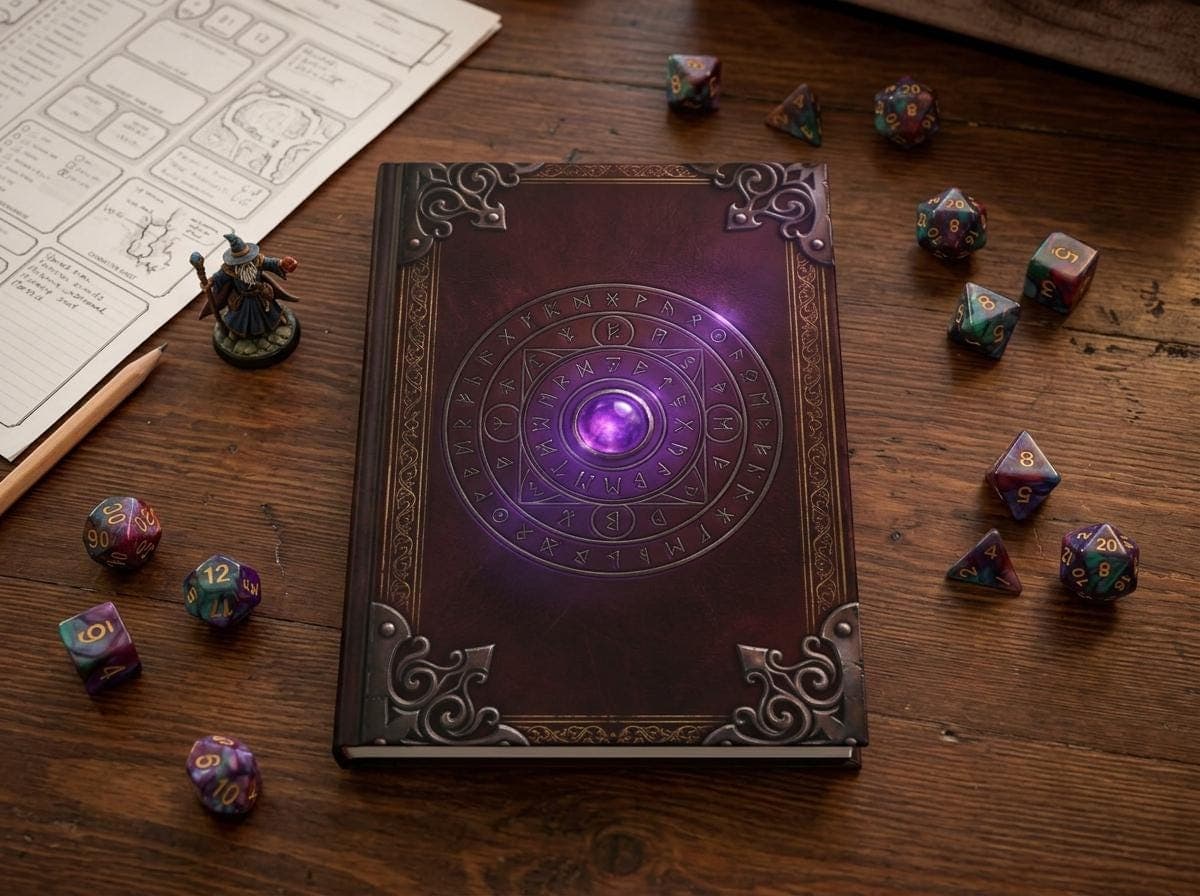
DnD Campaign Journal: 9 Practical Ways to Organize Game Notes
Updated October 2026 · 4 min read
Keeping a campaign journal shouldn't feel like taking minutes at a corporate meeting. With a few deliberate layout tricks, you can track intricate plotlines, quirky tavern keepers, and forgotten relics without burning out mid-campaign. Here is how to build a flexible, low-maintenance notebook system that serves you well at the table.
The three-line session recap method
Condense hours of adventure into quick reference notes.
Trying to transcribe dialogue in real time usually means missing the actual session. Instead, write down just three core takeaways at the end of each game night: what was achieved, what went wrong, and where the party sleeps. This gives you instant clarity when recapping at the start of next week's session.
- ✦Record one major milestone or reveal that changed the story
- ✦Note the primary cliffhanger or immediate threat faced
- ✦Add the in-game date and current resting location
NPC and faction trackers for quick scanning
Build clear profiles for allies, contacts, and rivals.
When your party meets dozens of tavern keepers and guild masters, alphabetical indexing breaks down fast. Group NPCs by location or faction, leaving several lines beneath each name for a distinctive physical quirk, their current attitude toward the party, and one secret or motivation. Using margins or small icons makes it easy to spot who owes you a favor during tense roleplay.
- ✦Track attitude using simple plus, minus, or neutral symbols
- ✦Record voice notes or catchphrases to remember how they speak
- ✦Leave two blank lines under every entry for future updates
Settlement and location travel logs
Keep track of taverns, shops, and wilderness landmarks.
Give every town or waystation its own dedicated half-page rather than scattering details across session pages. Note the local inn, general trade prices, prominent landmarks, and travel distances to neighboring outposts. When your Dungeon Master calls for travel times or asks where you left your horses, your answers are right at hand.
- ✦List trusted shopkeepers and available specialty services
- ✦Note travel days between major hubs along key trade routes
- ✦Flag points of interest your group skipped but wants to explore later
The party loot and attunement ledger
Manage shared treasure and magic items without confusion.
Unclaimed treasure and forgotten potions clutter character sheets and slow down combat. Set up a grid-style ledger at the back of your journal dividing coin, consumable magic items, and unidentified relics. Keeping attunement slots noted right next to item names ensures nobody carries three rings of protection by mistake.
- ✦Create columns for item name, current bearer, and attunement status
- ✦Track group funds separately from individual character coin pouches
- ✦Mark single-use scrolls and potions with checkboxes for quick deletion
Immersive player-voice entries and letters
Weave roleplay reflections into your campaign record.
Stepping out of meta-notes to write a short in-character reflection breathes life into your notebook. Jot down your wizard's arcane research notes, a rogue's private tally of guild favors, or brief unsent letters home after a close brush with death. These brief creative passages turn an ordinary notebook into an artifact you will cherish long after the final roll.
- ✦Write short diary snippets expressing your character's real feelings
- ✦Sketch rough symbols or magical runes your character invents
- ✦Jot down inside jokes and memorable quotes heard around the campfire
Hand-drawn battle sketches and region maps
Turn rough tactical layouts into clear spatial memory.
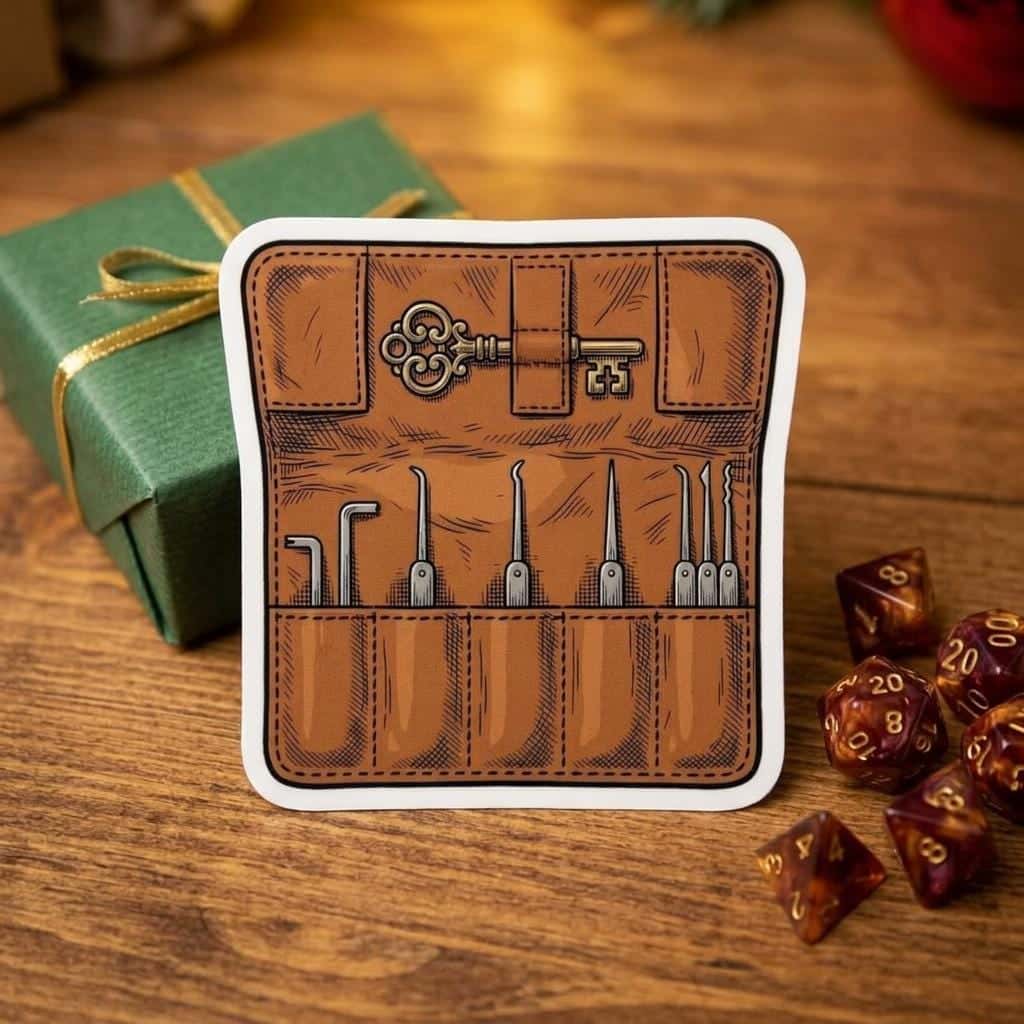
You do not need to be a cartographer to draw helpful spatial references for your campaign. Rough isometric sketches of ambush sites, dungeon crossroads, and island coastlines help you recall terrain features and escape routes between sessions. Adding visual markers or stickers to your drawings makes important navigational hazards stand out immediately.
- ✦Sketch simple cardinal directions and elevation changes for combat zones
- ✦Mark choke points, locked doors, and potential trap locations
- ✦Use map stickers to highlight unexplored territories and wild frontiers
Active rumors and unresolved quest boards
Track lingering mystery hooks and bounty opportunities.
Between guild contracts, shadowy overheard rumors, and personal backstory arcs, it is easy to lose thread of side objectives. Dedicate a two-page spread styled as a bounty board where you log mystery hooks alongside their source and suspected urgency. Crossing off a completed rumor provides the same satisfaction as claiming a real bounty.
- ✦Categorize leads into main objective, local favor, or personal quest
- ✦Note which NPC provided the rumor and where to collect rewards
- ✦Strike through solved leads and highlight unresolved mysteries
Simple habits to prevent journal burnout
Sustainable practices to keep your notebook going past session five.
The most common campaign journal pitfall is starting with immaculate calligraphy only to abandon the notebook entirely once the plot gets complex. Lower your expectations for perfection by using bullet points, shorthand, and sticky tabs for key sections. Spending five relaxed minutes organizing your notes right after a session ensures your journal remains an active, reliable companion for years.
- ✦Stick to quick bullet points rather than full narrative sentences
- ✦Use index tabs to jump straight to maps, loot, or NPC profiles
- ✦Spend five minutes right after the session tidying up raw notes