DnD NPC Tracker: 5 Practical Notes to Keep in Your Journal
Updated September 2026 · 2 min read
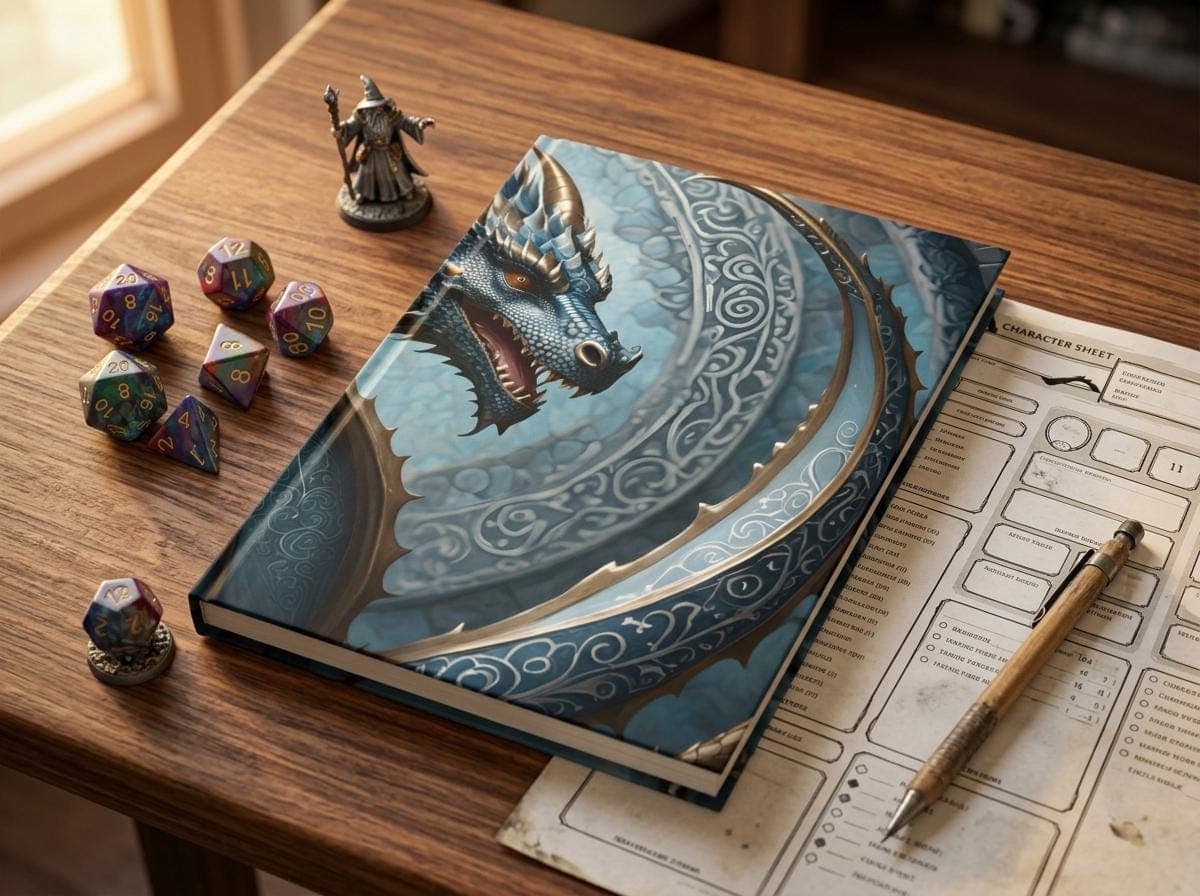
Juggling dozens of side characters during a tabletop RPG session can quickly lead to frantic page-flipping and forgotten details. Keeping a structured, five-field template in your campaign journal lets you roleplay any shopkeeper, villain, or guild contact naturally the moment your party talks to them. Here is a modular logging layout designed to keep your DM notes fast, organized, and easy to run on the fly.
One card per NPC
Keep entries compact and modular
Resist the urge to write a multi-page backstory for every minor contact the party encounters. Dedicate a single index card or a quarter of a journal page to each individual so your eyes can scan the critical stats in seconds. Keeping entries modular also means you can easily reorganize or discard notes as your campaign world shifts.
- ✦Divide lined journal pages into four neat quadrants for recurring village locals.
- ✦Tape index cards into your session book to easily move characters between towns.
- ✦Highlight name and occupation at the very top for instant session-table scanning.
Voice and tell
Note a distinct mannerism, tone, or quirky habit
You do not need to be a professional voice actor to make a tavern keeper feel alive and memorable. Jot down one physical quirk, speech cadence, or visual tell that prompts your brain into character right away. Whether it is a nervous ring-spin or a raspy whisper, a single cue snaps you back into character without hesitation.
- ✦Record a recognizable pop culture reference to snap into the right vocal register.
- ✦Note physical habits like tapping knuckles on the bar or squinting through smoke.
- ✦List a favorite recurring idiom or catchphrase they drop into regular conversation.
What they want
Anchor their immediate goal and core motivation
Believable characters act with purpose, even if that purpose is just closing the potion shop on time. Write down what the NPC wants from the adventuring party right now, alongside their deeper, long-term personal drive. This makes improvising their reactions effortless whenever the players ask unexpected questions or try bartering.
- ✦Pair a short-term need like paying debts with a dream of buying a trading ship.
- ✦State clearly what leverage or trade they are willing to accept from the party.
- ✦Note what line they will never cross, giving negotiations clear boundaries.
Who they know
Map factions, allies, and rivalries at a glance
An NPC feels rooted in the setting when their social ties are clearly tracked. Include a short line mentioning their guild loyalty, who they report to, and who they secretly despise in town. When your players stir up local drama, you will instantly know which allies step in and who rejoices.
- ✦Tag formal faction affiliations alongside informal tavern drinking buddies.
- ✦Note family connections that the party might exploit or end up protecting.
- ✦List an active rivalry to create instant gossip opportunities during social encounters.
When they last appeared
Track in-game dates and session numbers
Timelines get blurry quickly over months of weekly gaming sessions. Always log the in-game calendar date and real-world session number where the party last crossed paths with them. This simple timestamp prevents continuity errors and helps you calculate how much off-screen progress the NPC has made.
- ✦Write the last in-game location and date right beneath the character's header.
- ✦Record session numbers so you can cross-reference combat and loot logs easily.
- ✦Note lingering promises or unfinished tasks awaiting the party's eventual return.